

COVID 19 test expenses incurred by individuals will be tax deductible where they are purchased for work related purposes. This applies both when an individual is required to attend the workplace or has the option to work remotely; and
Employers will not be liable for FBT if they provide COVID-19 testing to their employees for work related purposes.
Author: Harris Black
Superannuation Changes

Treasury Laws Amendment (Enhancing Superannuation Outcomes For Australians and Helping Australian Businesses Invest) Bill 2021 has now passed both houses of Parliament.
Current 2021/2022 Financial Year
SMSF trustees can choose the way in which the fund’s tax-exempt pension income is calculated.
Next financial year – 2022/2023
The $450 salary threshold, under which SGC contributions do not need to be made, will be abolished. Eligibility for downsizer contributions will be reduced from 65 to 60.
Important Tax Dates

21 March 2022
Lodge and pay February 2022 monthly business activity statement.
31 March 2022
Lodge tax return for companies and super funds with total income of more than $2 million in the latest year lodged (excluding large/medium taxpayers), unless the return was due earlier.
21 April 2022
Lodge and pay quarter 3, 2021–22 PAYG instalment activity statement for head companies of consolidated groups.
Lodge and pay March 2022 monthly business activity statement.
It’s A Wrap!

Nearing the end of yet another year impacted by Covid, it’s perhaps not unusual to feel some sense of relief that we have again successfully managed our way through it!
Looking back on 2021 and the year as it was for Harris Black, I’m also extremely proud of our accounting and administration teams who, by sheer necessity, have reached new levels of resilience and an ongoing ability to provide exceptional client service without issue, no matter what the changing situation around them. Pivoting more times than a prima ballerina in 2021, the Harris Black team have yet again dealt with intermittent and sometimes last minute lockdowns (grab what you need and leave the office), on again / off again rosters to Work From Home, social distancing by desk (sorry you can’t sit there!) and have embraced many, many Zoom or Teams meetings as the new norm. They have done this without concern or complaint, nor missing a beat when it comes to providing great client service. A huge pat on the back to them all!
I’m extremely grateful also that, not only do we have such a positive team at Harris Black who are solution orientated, robust and supportive of each other, we’ve also had great systems in place that have allowed us to transition seamlessly between WFH to being back in the office and then WFH again. In this regard we’ve taken year two of the pandemic in our stride and been able to ensure our staff can support our valued clients by working safely, productively and free of frustration from home as and when needed.
Whilst this was yet another year of constantly juggling health directives and related disruptions, which often road blocked our ability to move forward easily, at Harris Black in 2021 we have still managed a number of successful, enjoyable and significant events both in the office and in our personal lives also..
Office News and Congrats..
Congratulations in particular go to:
– Olivia Beckett who was made a Manager in July 2021.
– Bjorn Kirberg, who became a Principal with Harris Black in October and perhaps even more exciting given the
amount of work he’s had to put into it… Completed his Masters of Tax with Excellence just last week!! (High 5’s
from us all Bjorn!)
– Congratulations also to both Matt Mok and Sashan Naiker for completing their CA in 2021!
Sashan actually joined the HB accounting team in June of this year. Moving from NSW, Sash managed to cross the
border just before the lockdown and quarantine requirements came back in force. Unfortunately his partner,
Kalindi, who followed just that bit later had an initial two week holiday in a quarantine hotel!
Our Remunerated Work Experience Program for Under Graduates was held in April / May. The program introduced
Patrick Humphrey and Ishmum Akram to HB. Pat and Ish are still completing their degrees and since completing
the work experience program now work with the HB team three days a week.
Elise Nam has also been a great help this year to members of the accounting team… Elise has returned to HB after
a 10 year break to raise her family!
AND exciting news… Josh Doncaster, recently employed as a new Supervisor Accountant, will commence with the
HB team in January 2022. We’re all looking forward to having Josh on board!
Significant Office Events...
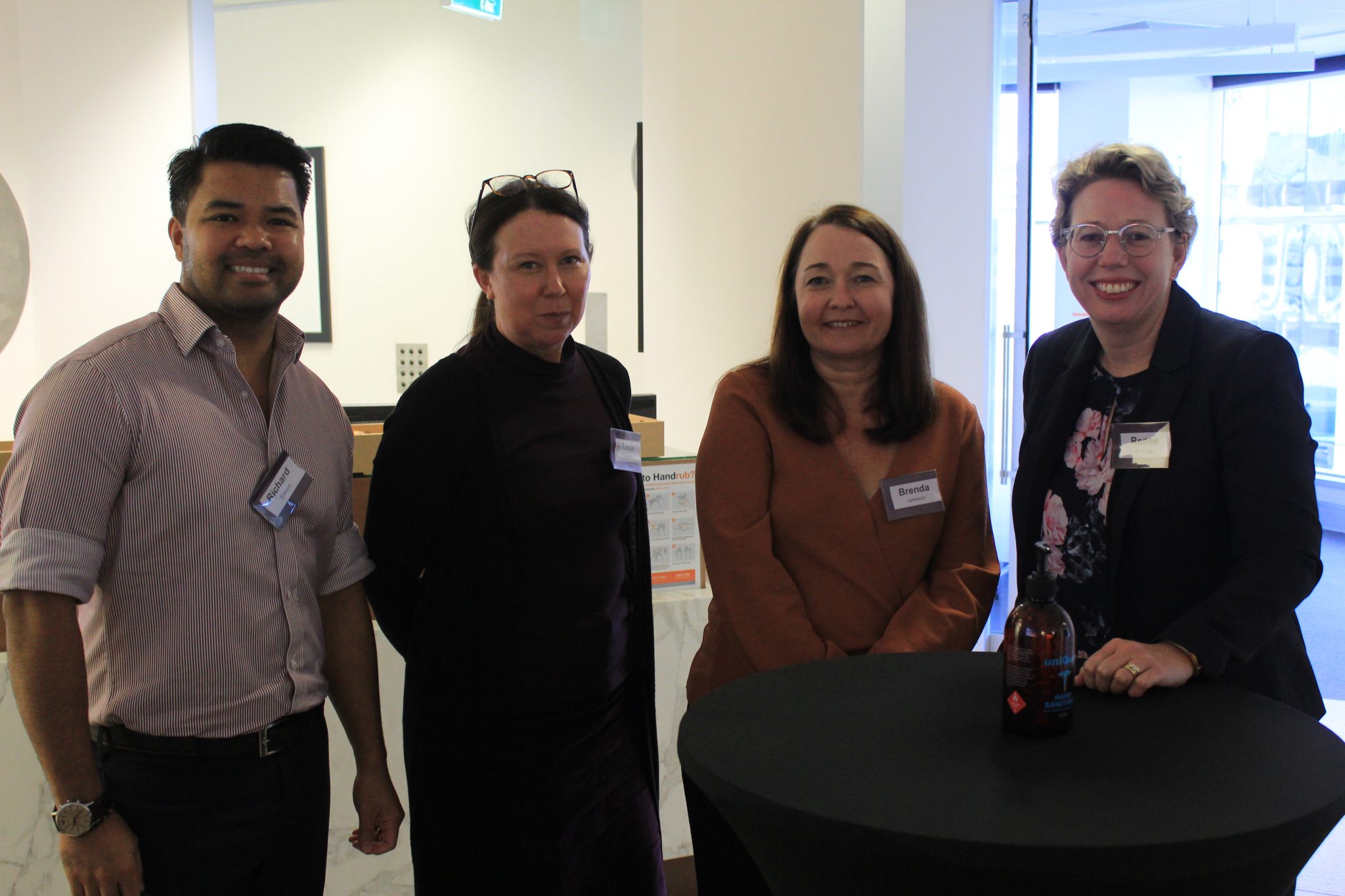
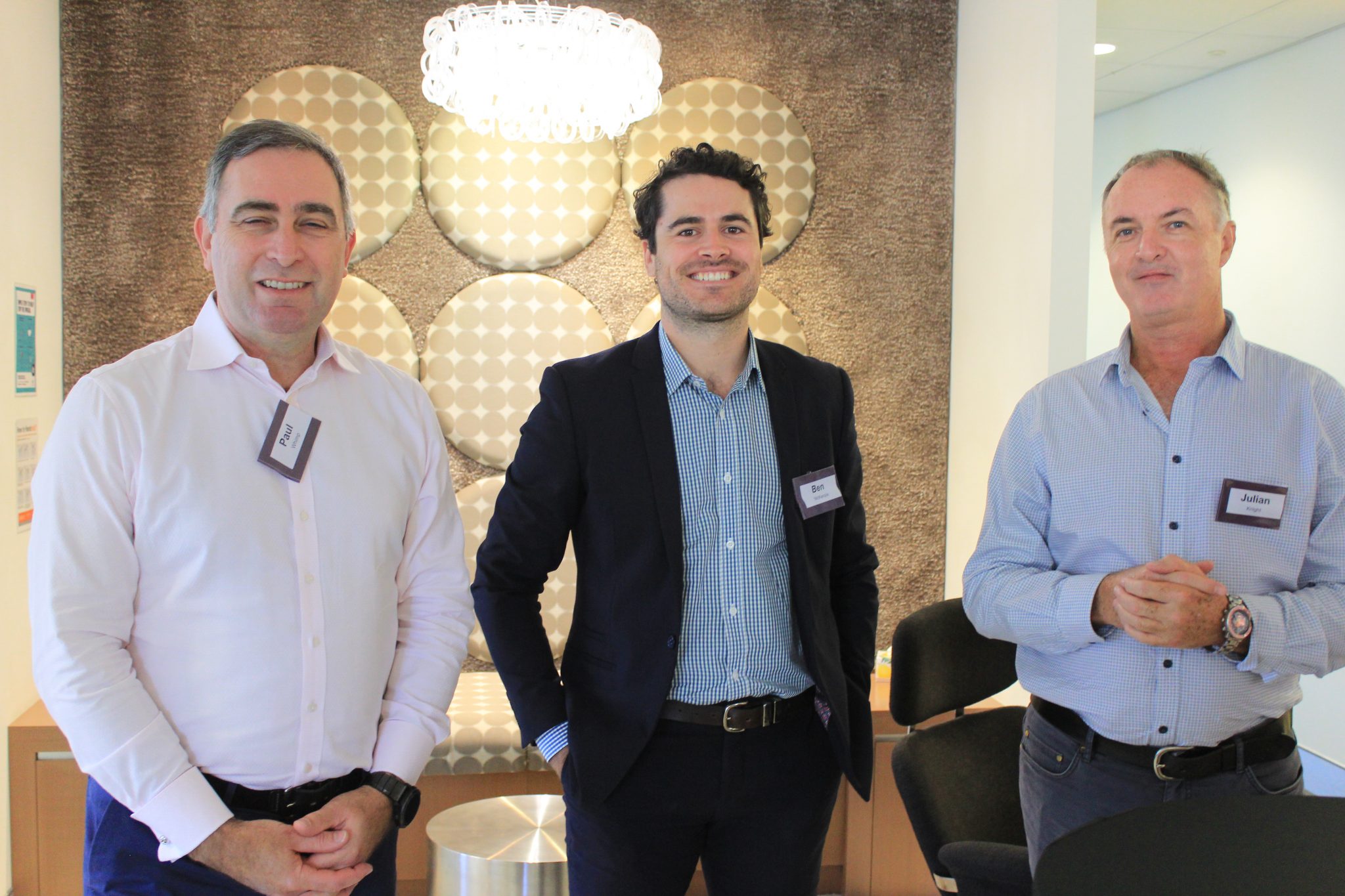
Reaching out to clients, our HB Directors held two HB Business Leaders Forum events in house this year despite a
Covid related delay. Great events which were well received in May and November. Watch this space for further in
2022!
Thankfully also, the firm was still able to hold their annual Staff Day event in July at the Stamford Plaza followed by
a wonderful EOFY celebration at the Kabuki Teppanyaki restaurant. Thanks to the Directors for organising such a
great event!

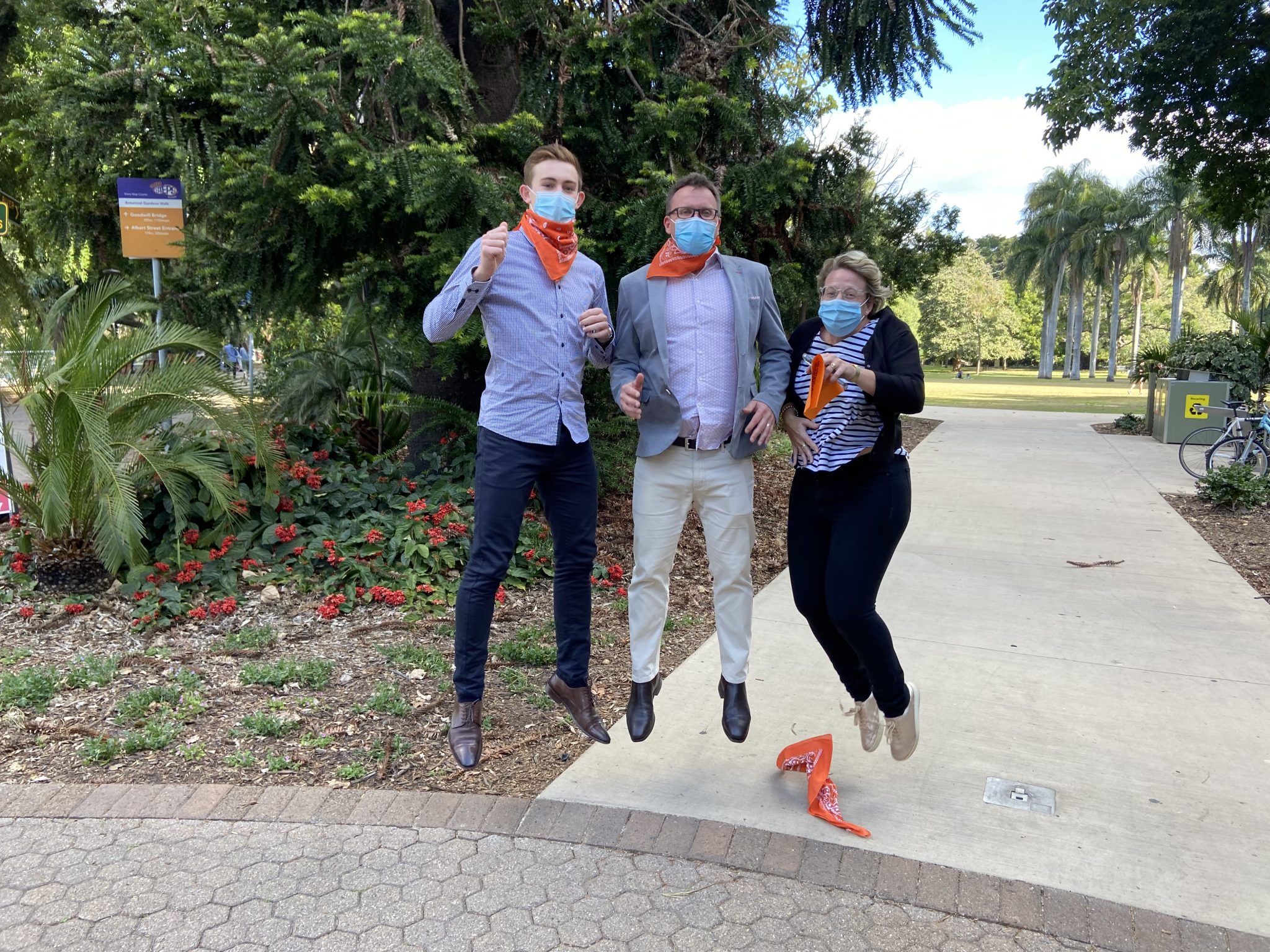
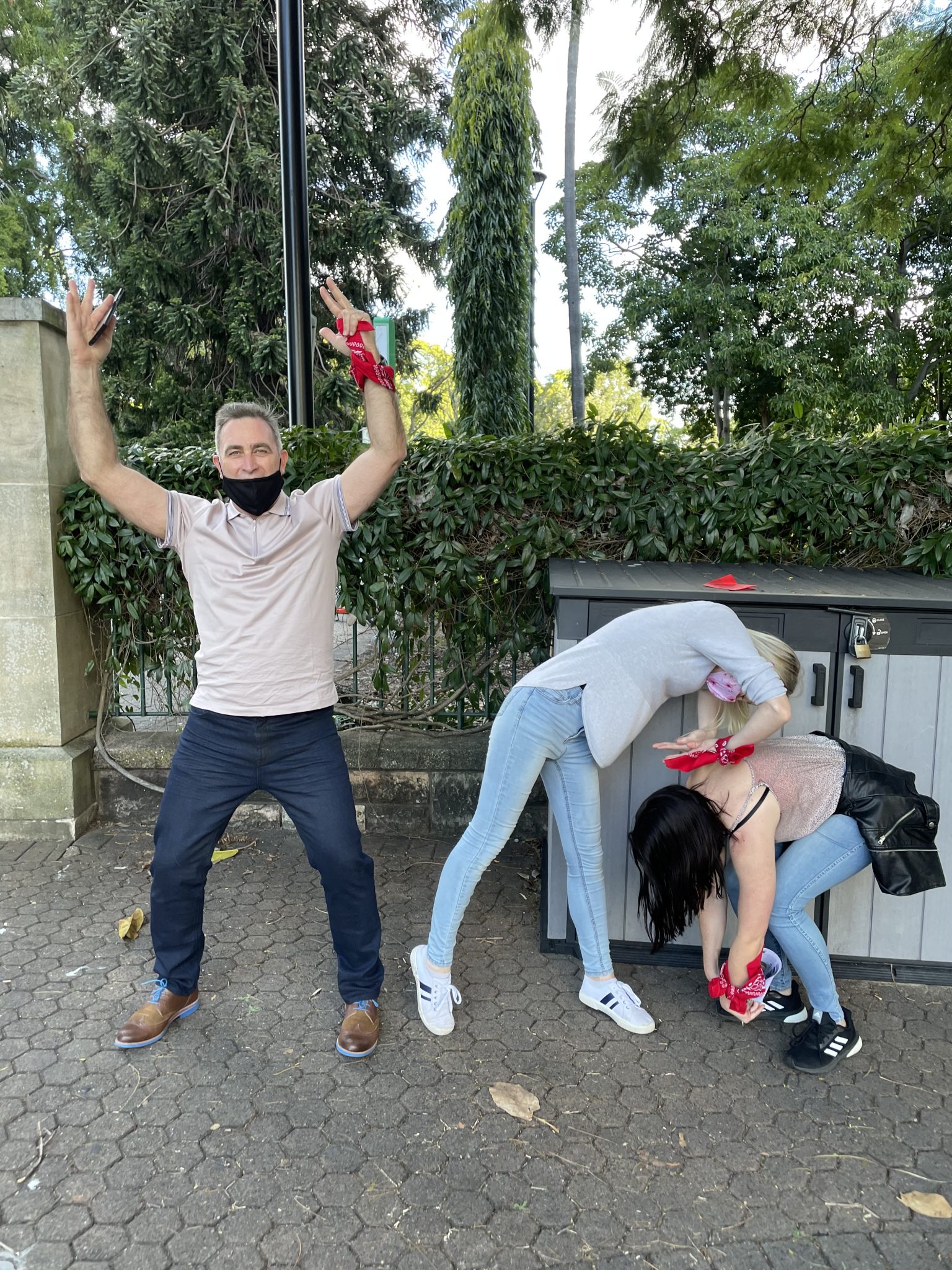
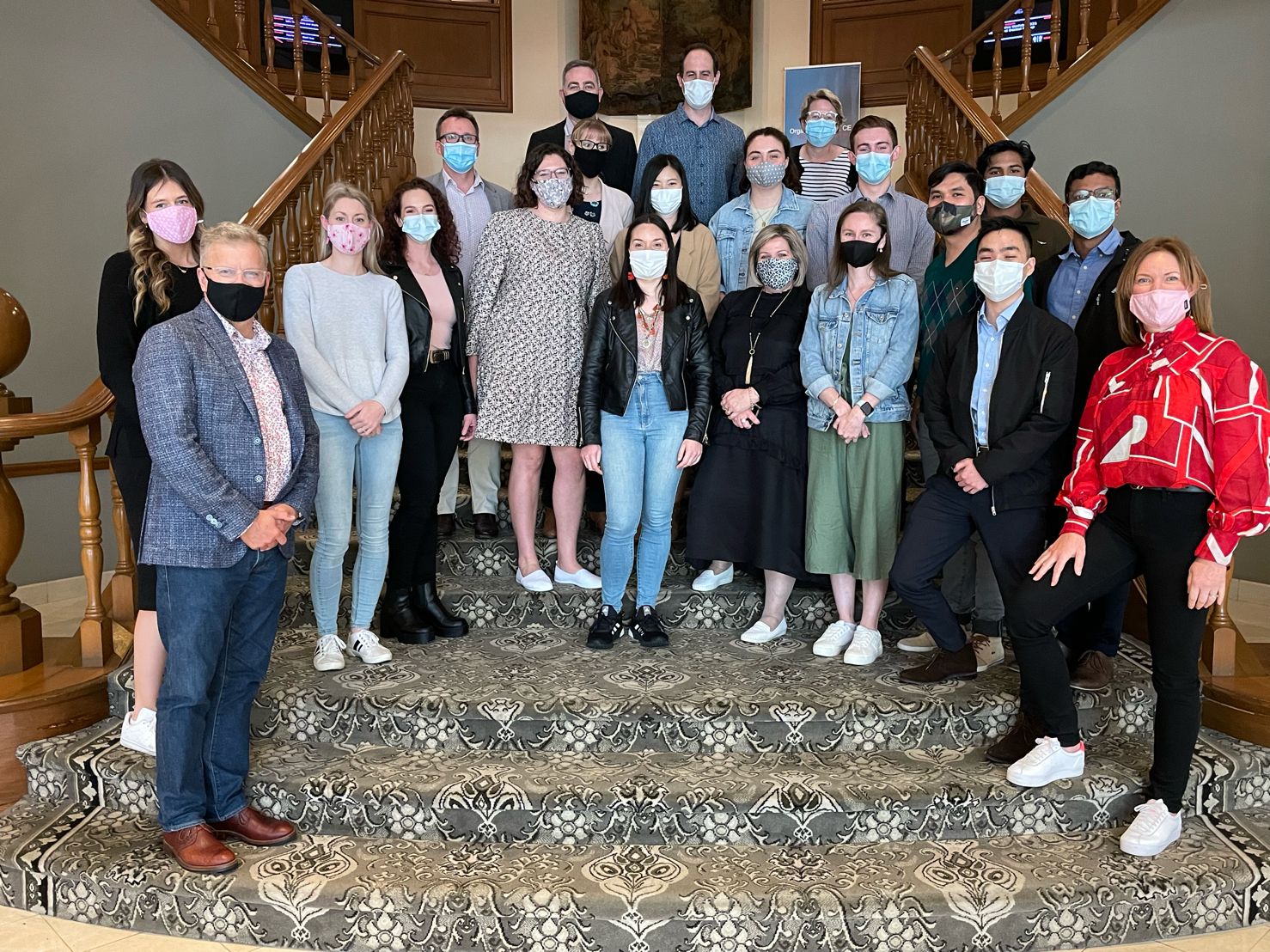
Our Brentnalls Affiliation Conferences were still held albeit remotely again in May and October this year. Fingers
crossed we’ll all make it to a group event for the next conference diarised for early 2022 in Adelaide!
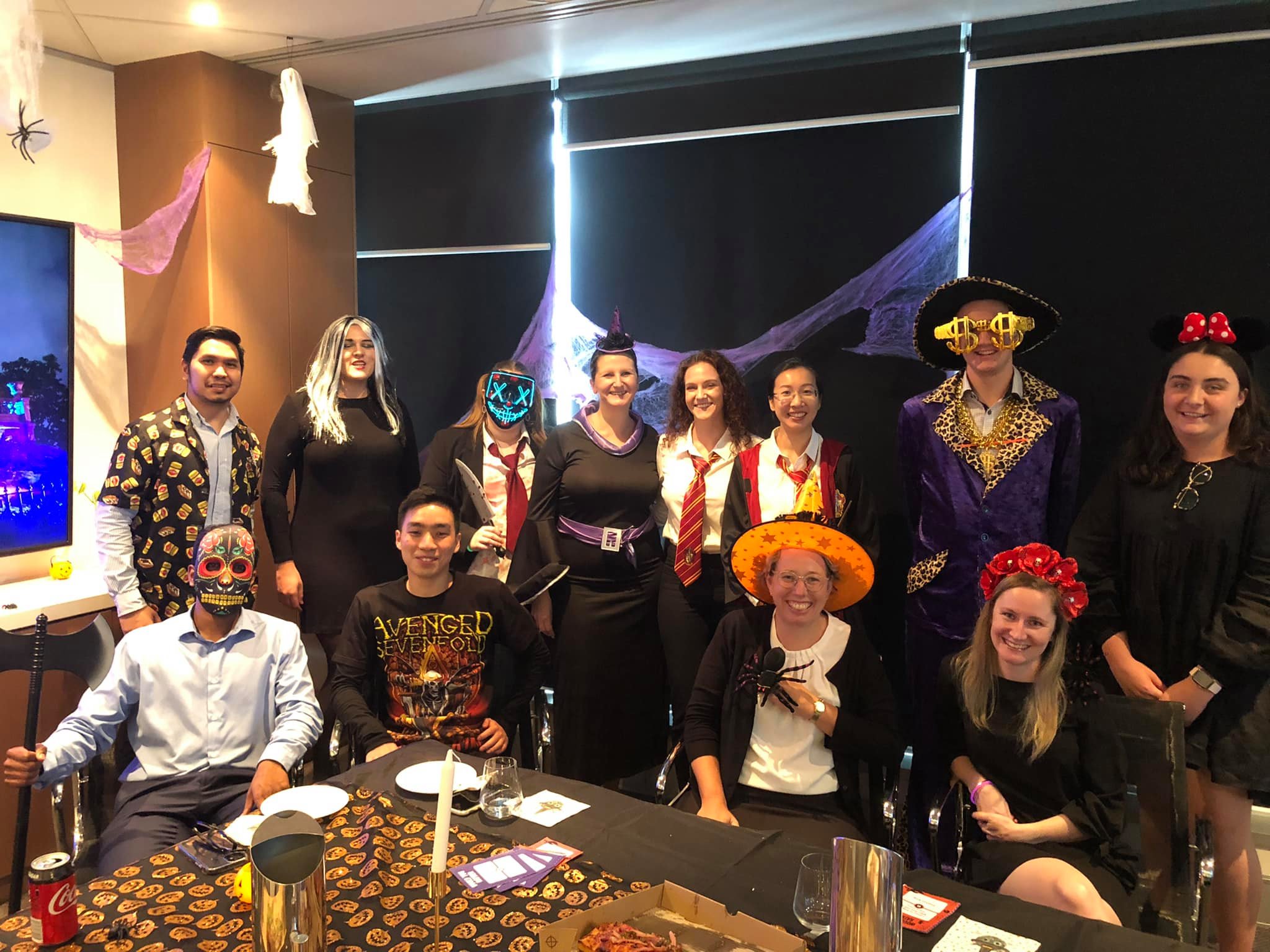
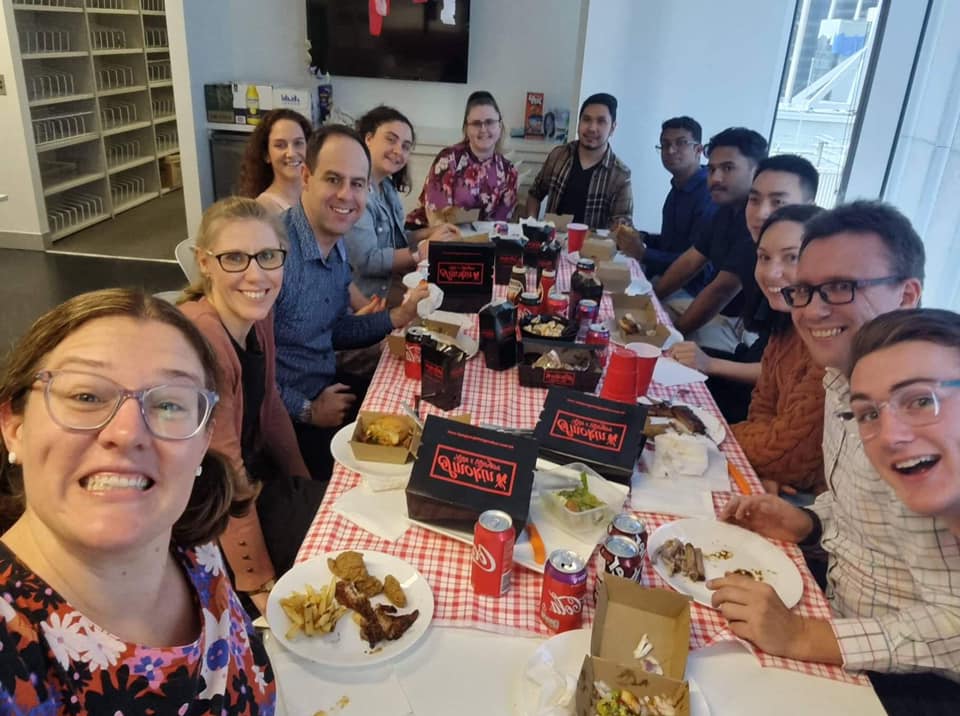
Important to mention our Harris Black monthly themed lunches also! Loved by all, those organising the events just
kept outdoing themselves this year! (Special thanks to Keziah Sedgwick!) Just to name a few, everyone has enjoyed a
Picnic In The Park (bring your cricket bats and croquet sets!); Japanese June (great food provided and who says you
can’t eat M&M’s with chopsticks!); a Halloween Luncheon (let’s make the boardroom into a haunted house!) and
Schools Out Lunch in November (they stopped short of asking everyone to wear their school uniforms!). Thanks to all
who put so much effort into organising! Enormous fun!

The HB team, as per previous years, joined forces again in 2021 to raise funds for a number of charities, including
Hear & Say and the Australian Red Cross. Morning tea fundraisers are always a great success! We have plenty of
great cooks at HB and plenty of others willing to pay good money for their efforts!
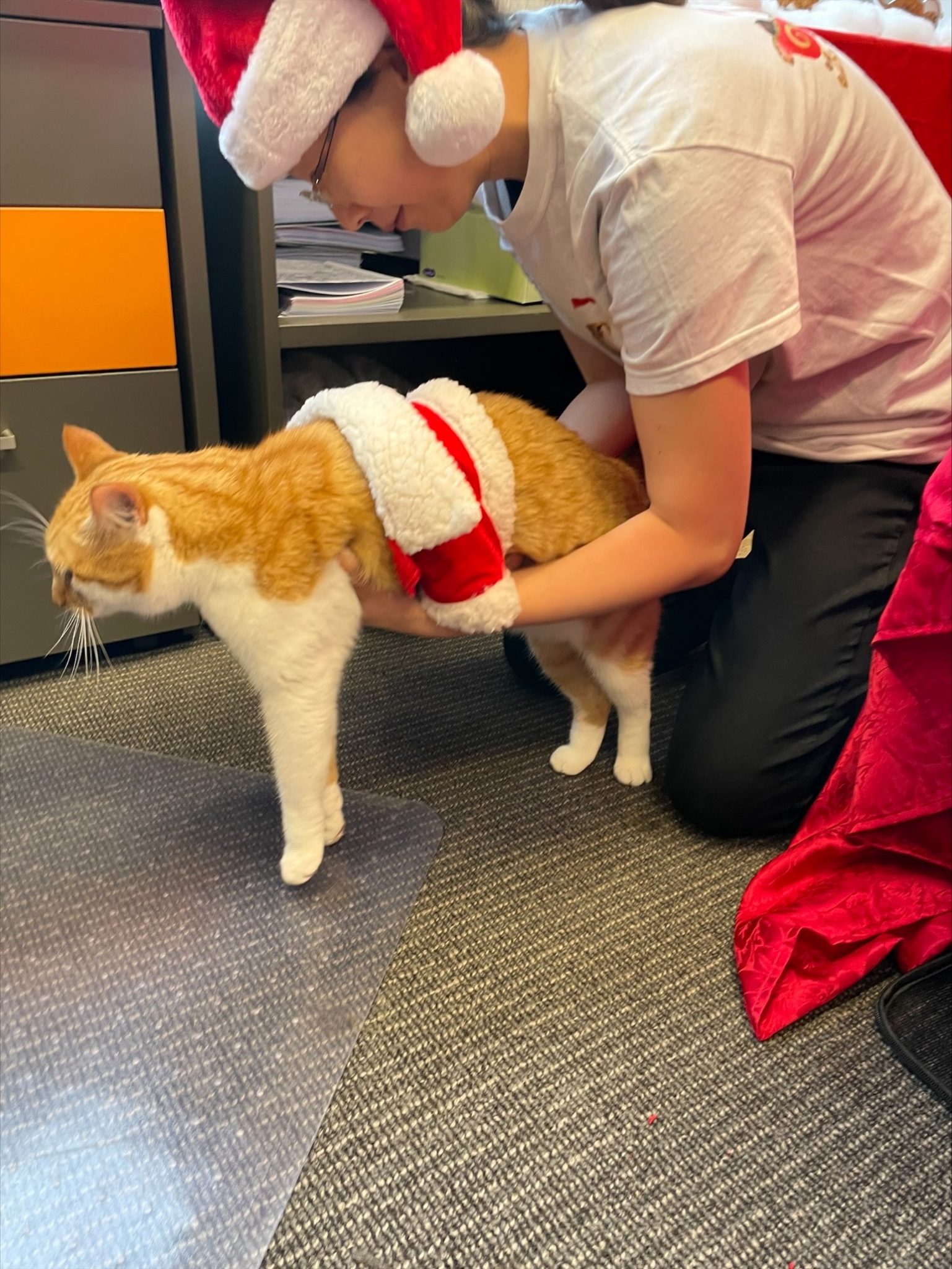
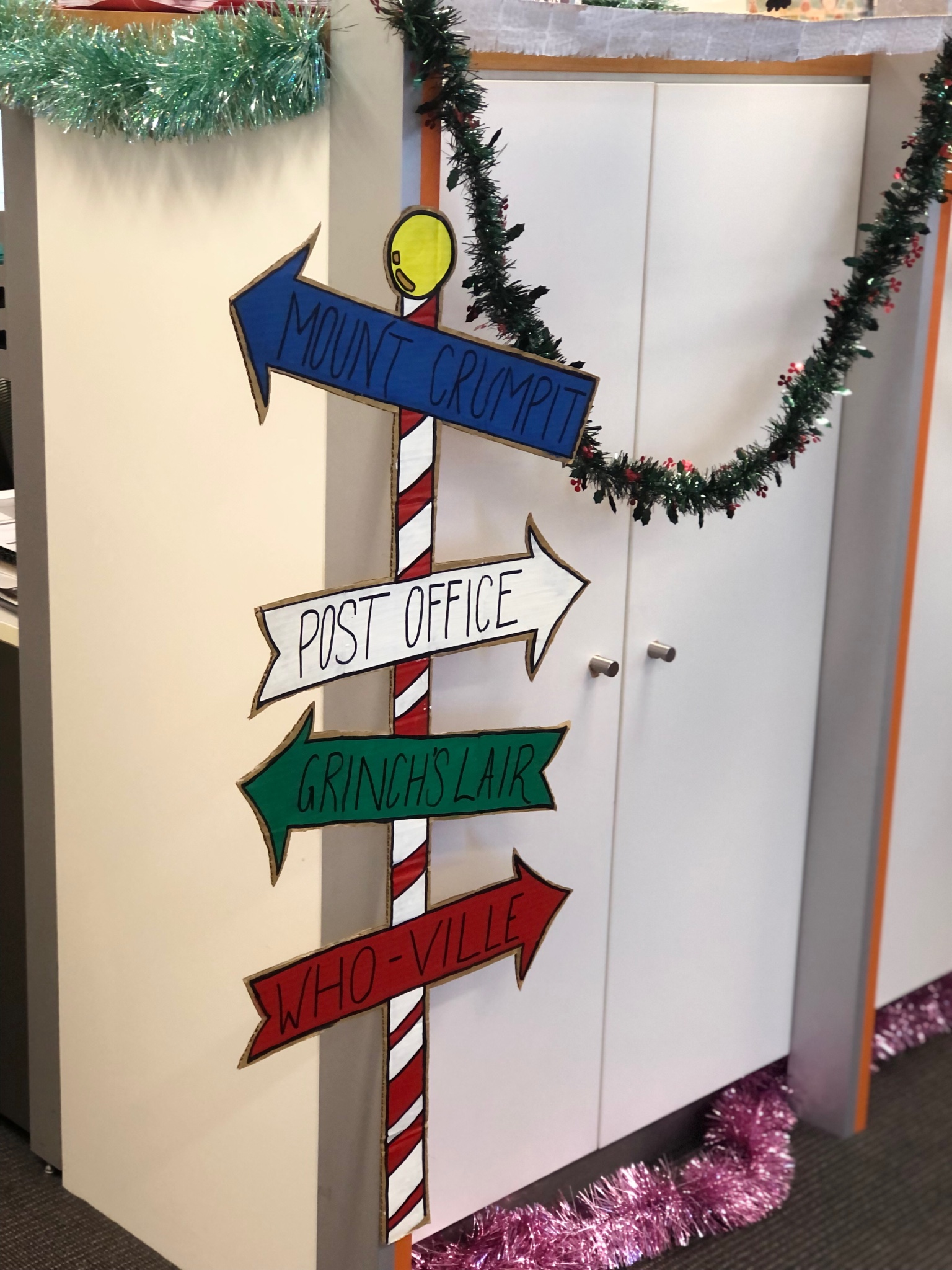
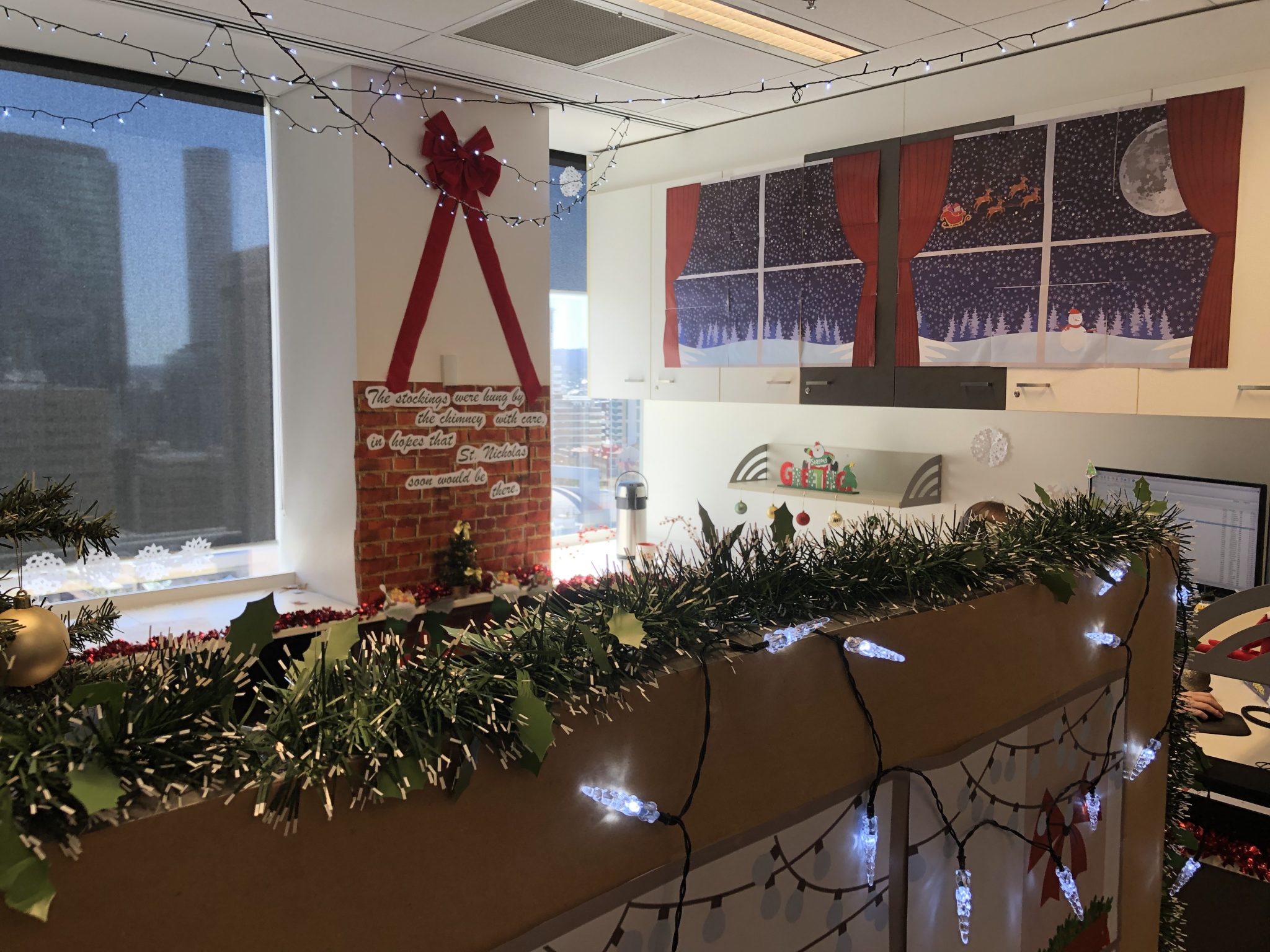
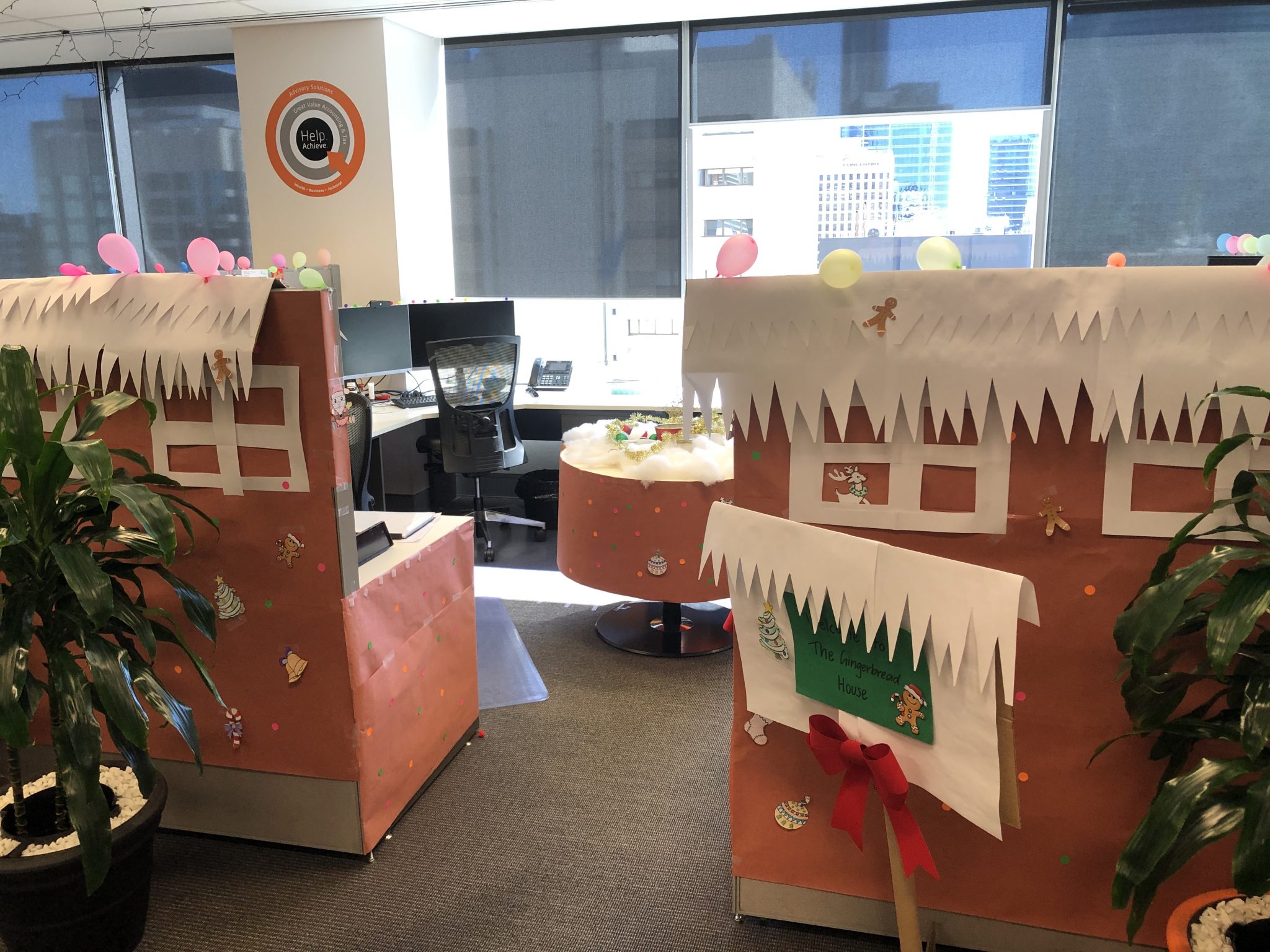
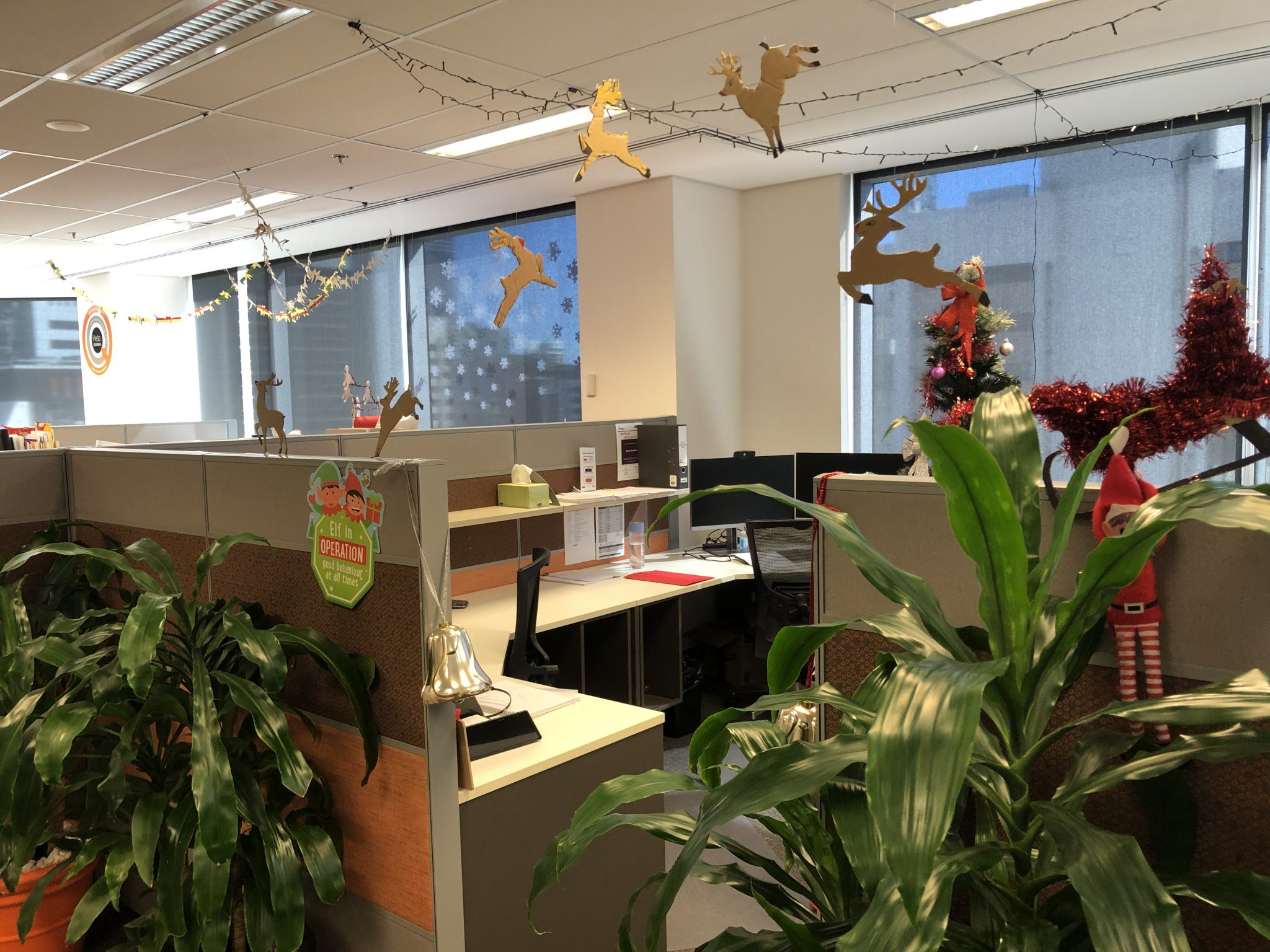
AND… special Christmas mention for significant office events must also go to Louise Chen’s cat, Peanut! With each
of the Harris Black work pods decorated elaborately in Christmas Theme for judging by the Directors, Peanut made
a special appearance in his Santa Suit to call victory for Louise’s work pod! (Other pods simply couldn’t beat the
addition of a live Christmas decoration at the last minute! Note.. No cats were harmed in this event although staff
are now discussing whether someone could find a lamb or piglet for next year!)
On a Personal Note…
What’s a year without a wedding to celebrate?!.. Olivia Beckett and her partner Adam married in April 2021. 2021
was also the year of finally getting their roof fixed after multiple delays! Storm damaged in October 2020 it was
finally fixed in November 2021! Double cause for celebration Liv!
Natalie Macinic gets the bravest HB team member award for the year!… In 2021 she both built a house and
performed in her first major Aerial Silks production! (Yes, project managing a new home and actually managing to
move into it during a Covid year is pretty impressive but twirling around at great heights supported only by a silky
strip of cloth is pretty damn gutsy and gets you extra points in the bravery stakes!)
Sash and his partner, newly arrived, purchased their first home and are loving their new life in Queensland!
Kim Ward, HB’s much loved Practice Manager is again happily pregnant with Baby No. 2 expected May 2022!
Congrats Kim!
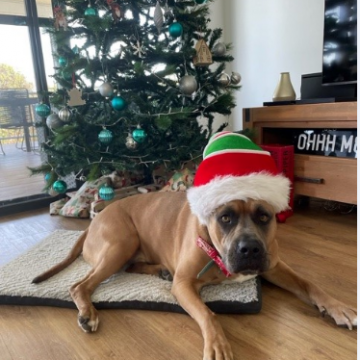
FINALLY we must mention a couple of life changing surgeries for 2021.. Bjorn Kirberg’s almost 2 year old, Oscar had
grommets put in his ears in 2021 and Liv’s dog Boston had hip surgery! A quick recovery for Oscar. He is no longer
bothered by ear infections and Bjorn is sleeping a lot better! Whilst it’s been a slower recovery for poor Boston, we
have all watched his improvement by video when Liv has worked from home and are happy to see he is back on
four legs!
And that, as they say, is a wrap!
Special thanks to our Admin Team who have worked tirelessly in the last couple of weeks to get completed jobs out the door! The HB team will now be heading off at 10.30am today to enjoy their Christmas celebrations, both learning to cook and eating the outcome, at the Golden Pig Cooking School & Restaurant! Thanking everyone again for an enormous effort in 2021! Wishing all a wonderful time today as you farewell the working year and looking forward to another great year in 2022!
To our valued clients, colleagues and friends… Wishing you all a safe and happy Christmas and all the best for 2022!
Is A Staff Christmas Party Tax Deductible?

It depends… Tax laws regarding gifts to employees and clients can be complex.
A gift and the Christmas party are viewed as separate benefits for the $300 minor benefits limit, which means employees can have twice the fun without FBT applying.
Non-entertainment gifts provided to employees are usually exempt from FBT where the total value is less than $300 inclusive of GST. These include wine, flowers and hampers for example. The business can also claim a tax deduction and any applicable GST credits.
Providing entertainment as a gift or Christmas party has different tax implications. If the cost for each employee is less than $300 GST inclusive, FBT is not payable, but no tax deduction or GST credit can be claimed. Examples of entertainment gifts include tickets to the theatre, a movie, sporting event, or gift cards.
If you provide an employee with a non-entertainment gift that is more than $300 GST inclusive, FBT may be payable at the rate of 49% on the grossed-up value however a tax deduction and GST credit can still be claimed.
Non-entertainment gifts given to clients and suppliers do not fall within the FBT rules. Generally, a tax deduction and GST credit can be claimed for gifts to clients, provided they are not excessive.
The best tax outcome for your business this Christmas is keeping to the $300 rule and to give staff, customers and suppliers non-entertainment type gifts.
HB Business Leaders Forum – The Road Forward – Unlocking Opportunities For Your Business In 2022
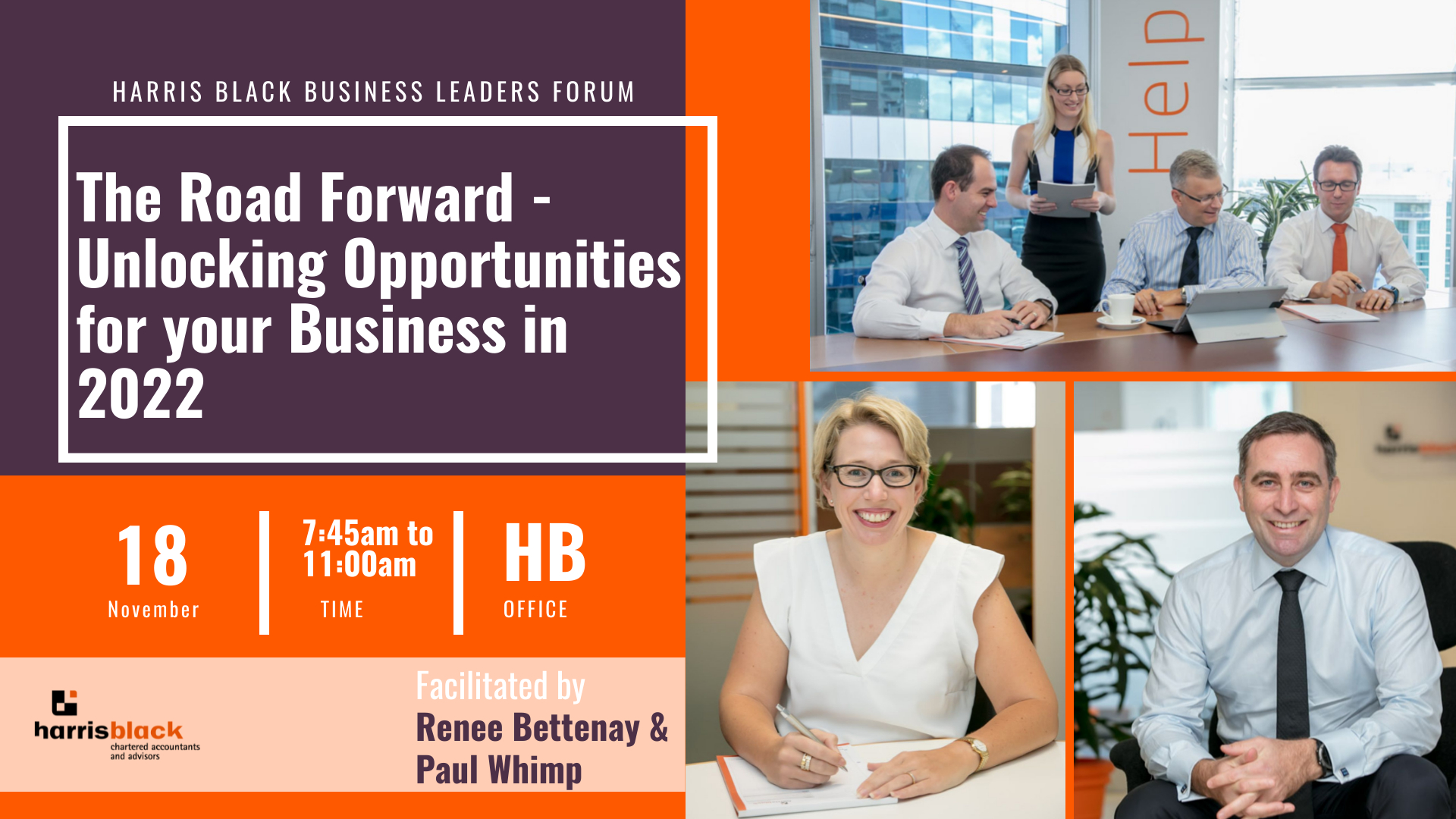
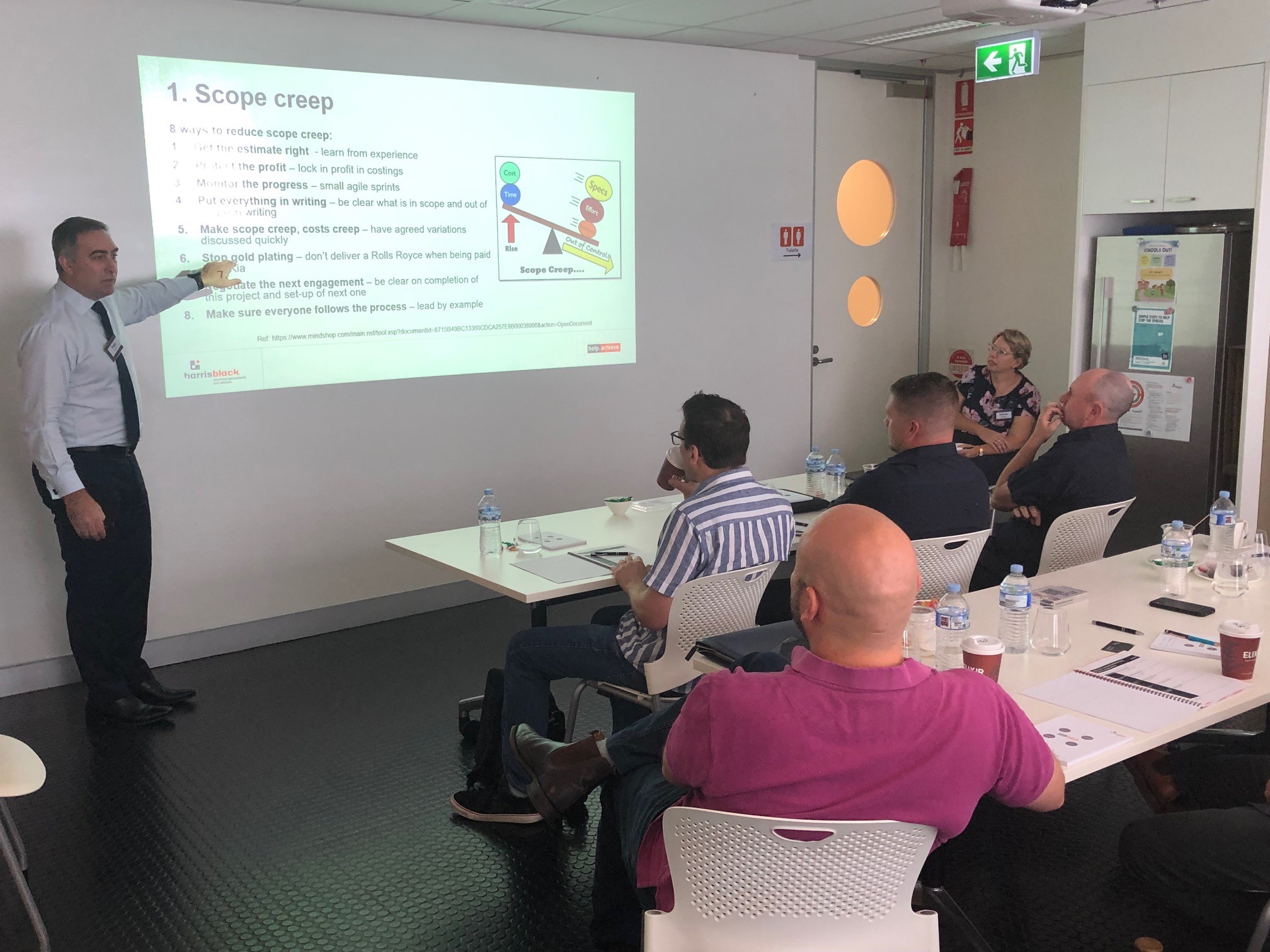
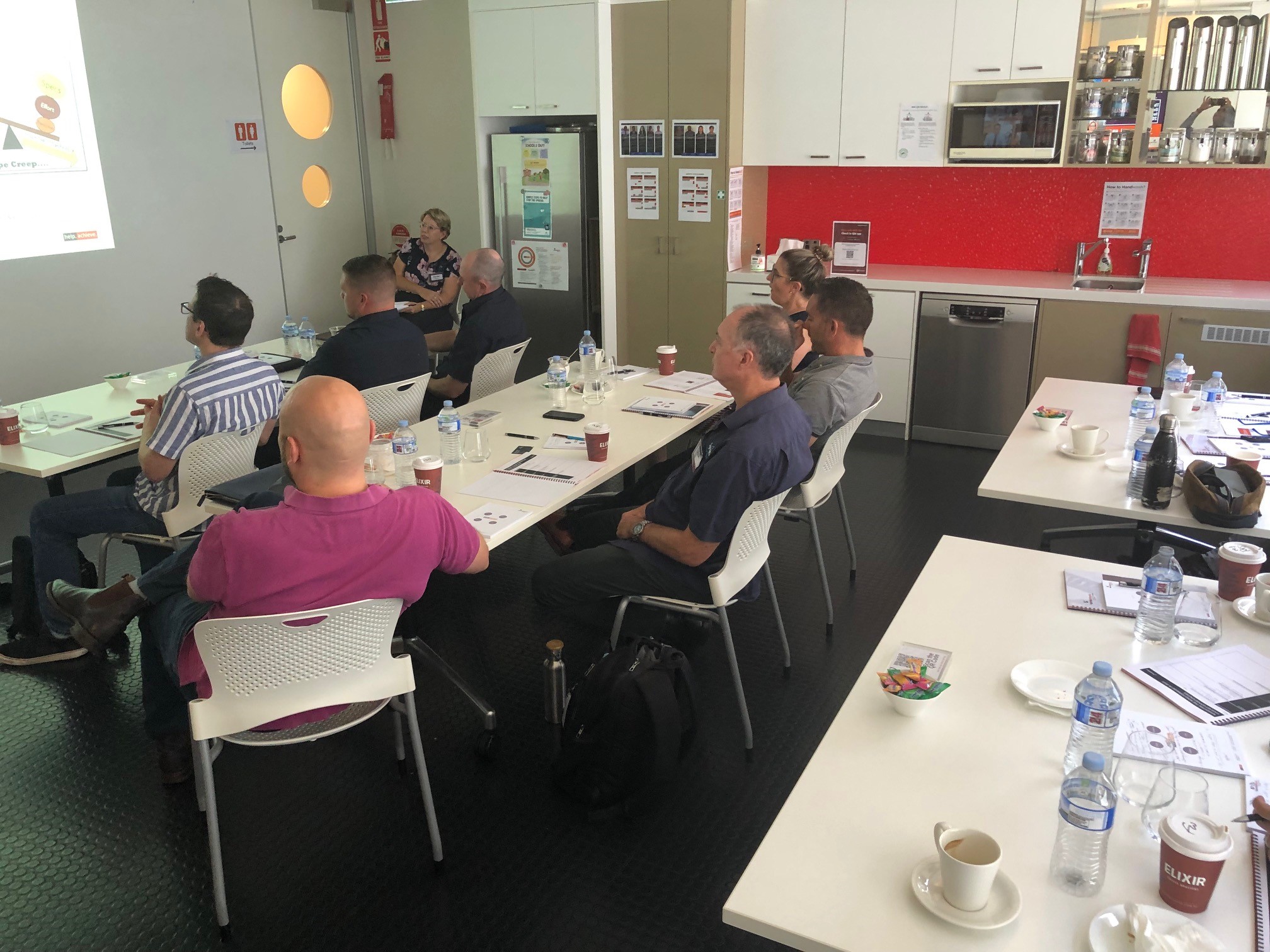
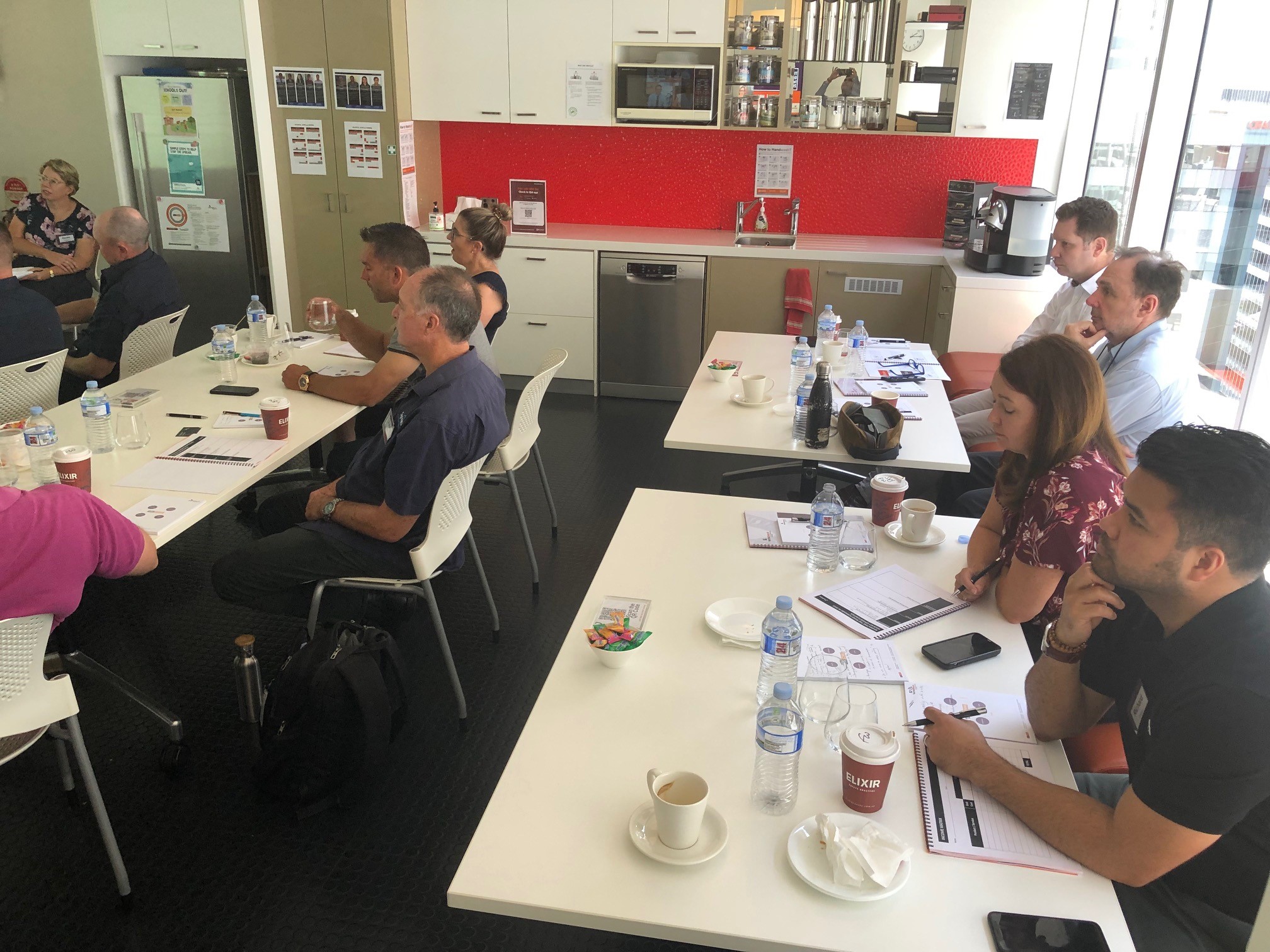
2022 will be a year of exciting opportunities for business leaders and owners as they chart a road forward in a new ‘covid normal’ environment. To succeed, leaders and owners will need to be more agile than ever, doing more with less, reacting to the changing local business environment, saying yes to the right growth opportunities while embracing emerging trends. What will be the biggest opportunity for you?
In our latest HB Business Leaders Forum, we looked at ‘The Road Forward – Unlocking Opportunities for your Business in 2022’.
We focused on four key strategies critical to unlocking a wealth of opportunities for the attendees and their businesses in 2022. Full of practical strategies, insights and tools, the workshop provided ample opportunities for peers to discuss emerging trends and how they apply to their business and local market.
Discussed on the day:
Emerging business trends for 2022
Practical agile principles critical in 2022 for any sized business to embrace
What you can change to make sure your current sales and marketing strategies cut through in 2022
3 most common areas of ‘hidden waste or poor profitability’ in business and how to address them
Attraction and retention strategies that work
Making the number one opportunity for 2022 a reality
Overall a terrific day with attendees walking away with a wealth of practical ideas and strategies to successfully navigate the road forward in 2022.
To register your interest in our next HB Business Leaders Forum on the 17 February 2022 please click the Register Here button below.